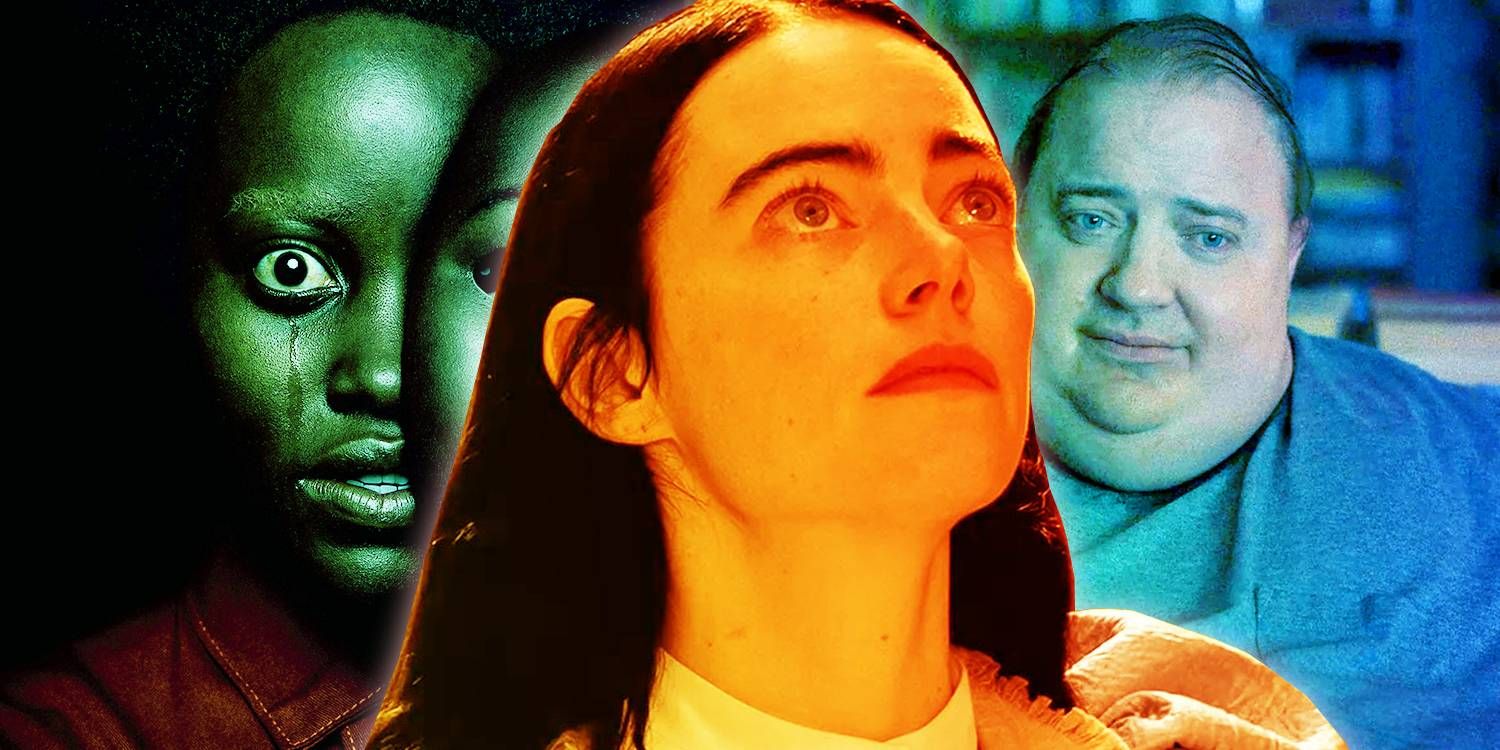
Great cinema lives and dies by the caliber of its performances. A script may sparkle on the page and a director may compose breathtaking frames, but it is the actor who ultimately breathes life into the story. In recent years, audiences have been treated to a remarkable concentration of talent, from transformative physical feats to quiet, devastating subtlety. This article examines the finest acting performances of recent movie history, analyzing what makes each one a benchmark of the craft.
Criteria for Selection
Any list of this nature requires a defensible framework. The performances selected here were evaluated against several core standards:
- Transformation: The degree to which the performer disappears into the role.
- Emotional range: The ability to navigate complex, often contradictory registers within a single film.
- Technical precision: Command of voice, physicality, and timing.
- Cultural impact: The lasting imprint the performance left on audiences and the industry.
These criteria are not exhaustive, but they provide a consistent lens through which to assess excellence across genres and scales of production.
The Standout Performances
Daniel Day-Lewis — Lincoln
Daniel Day-Lewis is legendary for his commitment, and his portrayal of Abraham Lincoln remains a masterclass in restraint. Rather than delivering a booming caricature, he offered a soft-spoken, weary, and intellectually nimble president. The performance is built on micro-decisions: a pause before a punchline, the weight of a hunched posture, the flicker of calculation behind tired eyes. It is a study in how historical figures can be rendered human without being diminished.
Joaquin Phoenix — Joker
Phoenix’s Arthur Fleck is a physical performance of unsettling precision. The involuntary laughter, the skeletal frame, the dance sequences that oscillate between liberation and menace — every element is calibrated to convey a man dissolving at the seams. What elevates the work beyond spectacle is the vulnerability beneath the violence. Phoenix never asks the audience to excuse Arthur, but he insists they understand him.
Cate Blanchett — Tár
Blanchett’s turn as conductor Lydia Tár is a triumph of controlled power. She commands every room with posture, diction, and an almost predatory stillness. The genius of the performance lies in its ambiguity: the film demands that viewers sit with a brilliant, abusive artist and resist easy judgment. Blanchett delivers technical virtuosity — the conducting, the German, the intellectual fluency — while exposing the fragility beneath the armor.
Anthony Hopkins — The Father
Portraying dementia without sentimentality is extraordinarily difficult. Hopkins constructs a performance from disorientation itself, allowing the audience to experience the erosion of memory alongside his character. The shifts in tone, the sudden confusion, the moments of lucid terror — it is a performance of immense discipline masquerading as chaos. Few actors have conveyed cognitive decline with such dignity and precision.
Viola Davis — Ma Rainey’s Black Bottom
Davis embodies the titular blues legend with volcanic authority. Her Ma Rainey is imperious, shrewd, and fully aware of her own commodification. Davis controls the frame with vocal power and physical weight, turning a stage-derived script into something cinematic and alive. It is a performance about ownership — of art, of body, of legacy — and she plays every note of it.
Comparative Overview
The table below summarizes the performances and their defining strengths:
| Daniel Day-Lewis | Lincoln | Restraint and historical nuance |
| Joaquin Phoenix | Joker | Physical transformation and vulnerability |
| Cate Blanchett | Tár | Controlled power and moral ambiguity |
| Anthony Hopkins | The Father | Disciplined depiction of cognitive decline |
| Viola Davis | Ma Rainey’s Black Bottom | Vocal authority and ownership of character |
Why These Performances Endure
What unites these actors is not a shared style but a shared discipline. Each performance is the product of rigorous preparation and the willingness to subordinate ego to character. In an era of franchise spectacle, these works remind us that the human face remains cinema’s most powerful special effect.
For aspiring performers and industry professionals alike, these roles offer a study curriculum in craft. They demonstrate that greatness is rarely about volume or obvious effort; more often, it is about precision, patience, and the courage to be still.
Conclusion
The best acting performances in recent movie history are those that reward repeated viewing, revealing new layers with each encounter. The five artists profiled here have set a standard that will challenge and inspire the next generation of performers. As the medium evolves, one truth remains constant: technology may change how stories are told, but it is the actor who makes us feel them.
Leave a Reply