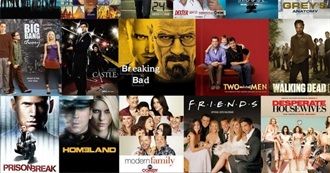
Television has shaped global culture for more than seven decades, and a select group of shows has transcended entertainment to become genuine cultural landmarks. From sitcoms that defined generations to dramas that redefined storytelling, the most popular TV shows of all time share a rare ability: they captured the zeitgeist and kept millions of viewers coming back week after week. In this article, we examine the series that have left the deepest mark on audiences, critics, and the medium itself.
What Makes a TV Show Truly Popular?
Popularity in television is measured across several dimensions. Viewership tells us how many people tuned in, while longevity reveals whether a show could sustain interest over multiple seasons. Critical acclaim, syndication success, and cultural impact round out the picture. The shows featured here score highly across most or all of these categories, making them the definitive benchmarks of small-screen success.
The All-Time Greats at a Glance
The table below summarizes the most popular TV shows ever produced, along with their genres and approximate global reach.
| M*A*S*H | Comedy-Drama | 1972–1983 | Series finale drew over 100 million U.S. viewers |
| Seinfeld | Sitcom | 1989–1998 | Defined 1990s comedy; massive syndication value |
| The Simpsons | Animated Sitcom | 1989–present | Longest-running American scripted series |
| Friends | Sitcom | 1994–2004 | Global streaming phenomenon across generations |
| Game of Thrones | Fantasy Drama | 2011–2019 | Most Emmy-winning scripted series in a single year |
| Breaking Bad | Crime Drama | 2008–2013 | Critical darling with enduring streaming popularity |
A Closer Look at the Standouts
M*A*S*H: The Ratings Titan
When M*A*S*H concluded in 1983, its finale, “Goodbye, Farewell and Amen,” attracted an estimated 105 million American viewers—a record that still stands for a scripted broadcast. The series blended humor with sobering commentary on war, proving that comedy could carry serious weight.
Seinfeld: The Show About Nothing
Seinfeld revolutionized the sitcom by rejecting sentimentality in favor of sharp observational humor. Its influence on comedy writing is immeasurable, and its syndication deals have generated billions of dollars, underscoring its extraordinary staying power.
The Simpsons: The Longest Runner
Debuting in 1989, The Simpsons has aired for more than three decades and over 750 episodes. It has influenced animation, satire, and pop culture worldwide, and its early seasons are routinely ranked among the finest television ever made.
Friends: The Global Comfort Show
Friends found a second life on streaming platforms, introducing a new generation to its ensemble comedy. Its global recognition and merchandising footprint make it one of the most commercially successful shows in history.
Game of Thrones: The Event Television Benchmark
At its peak, Game of Thrones was the most pirated and most discussed show on television. Its cinematic scale raised audience expectations for what serialized drama could achieve.
Breaking Bad: The Critical Champion
Breaking Bad built its audience gradually before becoming a streaming-era juggernaut. Its tightly plotted narrative and character transformation arc are frequently cited as a masterclass in long-form storytelling.
Why These Shows Endure
- Universal themes: Each series explores relationships, ambition, or survival in ways that transcend their settings.
- Rewatchability: Strong characters and layered writing reward repeated viewing.
- Streaming accessibility: Availability on major platforms keeps these titles in the cultural conversation.
- Cultural quotability: Iconic lines and moments become shared reference points across generations.
The Bottom Line
The most popular TV shows of all time are not simply ratings leaders—they are cultural institutions. They shaped how stories are told, how audiences gather, and how the medium itself is judged. For technology and media professionals, understanding these landmarks offers insight into audience behavior, distribution strategy, and the enduring value of exceptional content. Whether you are building a streaming platform, curating a content library, or studying media trends, these series represent the gold standard against which all television is measured.
Leave a Reply