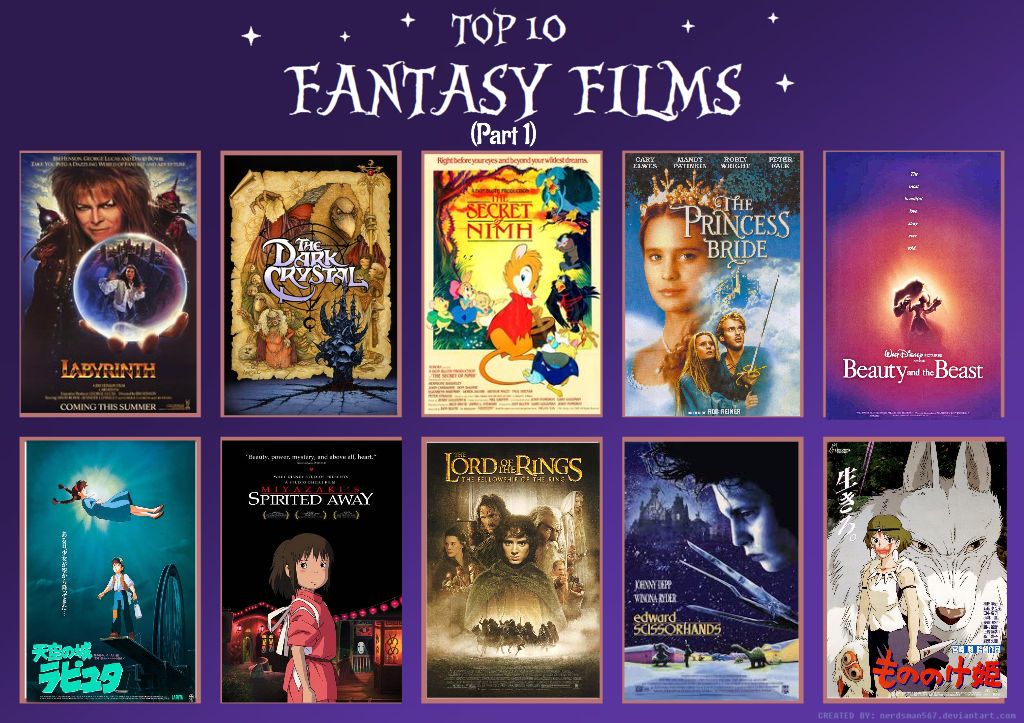
Fantasy cinema occupies a unique place in the cultural landscape. It offers audiences an escape into realms where physics bends, magic breathes, and moral questions take on epic proportions. But the genre’s finest entries do more than dazzle with visual effects—they construct coherent, immersive worlds that feel lived-in and consequential. The following selection represents the gold standard of fantasy filmmaking, where extraordinary production design meets storytelling of genuine depth.
Why World-Building Defines Great Fantasy
A fantasy film succeeds or fails on the credibility of its universe. Audiences will accept dragons and sorcery, but only if the internal logic holds. The best examples below share a common discipline: they establish rules, honor those rules, and let characters struggle within them. This is what separates enduring classics from forgettable spectacle.
The Lord of the Rings: The Fellowship of the Ring (2001)
Peter Jackson’s adaptation of J.R.R. Tolkien’s masterwork remains the benchmark against which all fantasy cinema is measured. Middle-earth arrives fully formed—the Shire’s pastoral warmth, the dwarven grandeur of Moria, the elven sanctuary of Rivendell—each location carrying centuries of implied history.
The film’s genius lies in its restraint. Jackson grounds the fantastical in emotional reality: Frodo’s burden is spiritual as much as physical, and the Fellowship’s fractures feel inevitable rather than contrived. The result is a world that feels simultaneously ancient and urgently alive.
Pan’s Labyrinth (2006)
Guillermo del Toro’s dark fairy tale demonstrates that fantasy need not be escapist. Set against the brutality of Francoist Spain, the film’s underworld—complete with fauns, pale monsters, and labyrinthine corridors—functions as both refuge and moral testing ground for young Ofelia.
Del Toro’s creatures are unforgettable precisely because they are ambiguous. The Pale Man sequence remains one of cinema’s most unsettling achievements, and the film’s refusal to soften its ending gives the fantasy genuine weight.
The Princess Bride (1987)
Rob Reiner’s beloved classic proves that wit and warmth can sustain a fantasy world just as effectively as elaborate effects. The kingdom of Florin is lightly sketched but vividly inhabited, populated by characters whose charm has only deepened with time.
William Goldman’s screenplay—adapted from his own novel—delivers quotable dialogue, genuine romance, and swashbuckling adventure in perfect proportion. It is a film that works equally well for children and adults, a rarity the genre has struggled to replicate.
Spirited Away (2001)
Hayao Miyazaki’s masterpiece transports viewers to a bathhouse for spirits, a setting of astonishing invention. Every frame brims with detail: soot sprites, river gods, and the enigmatic No-Face all contribute to a world governed by its own dreamlike logic.
The film’s story is deceptively simple—a girl must work to free her parents—but it explores identity, labor, and courage with remarkable sophistication. Miyazaki’s hand-drawn animation gives the spirit world a tactile quality that computer-generated imagery rarely matches.
The Shape of Water (2017)
Del Toro’s Cold War fable places a mute janitor and an amphibious creature at the center of a story about empathy and otherness. The film’s fantasy elements are restrained but potent, and its visual design—a damp, amber-lit Baltimore—creates atmosphere with remarkable economy.
What distinguishes the film is its emotional intelligence. The fantasy serves the story rather than the reverse, and the result earned the Academy Award for Best Picture—a rare recognition for the genre.
Comparison at a Glance
| The Lord of the Rings: The Fellowship of the Ring | 2001 | Middle-earth |
| Pan’s Labyrinth | 2006 | The Underworld |
| The Princess Bride | 1987 | Florin |
| Spirited Away | 2001 | The Spirit Bathhouse |
| The Shape of Water | 2017 | Cold War Baltimore |
Additional Titles Worth Your Time
For those who wish to explore further, the following films also merit attention:
- Stardust (2007) — a charming, underrated adventure across a magical wall.
- The NeverEnding Story (1984) — flawed but imaginative, with a genuinely affecting core.
- Willow (1988) — classic high fantasy from the Lucasfilm stable.
- The Dark Crystal (1982) — Jim Henson’s astonishing puppet-driven world.
What These Films Share
Each entry on this list respects its audience. None condescends, none relies on spectacle without substance, and none forgets that fantasy is ultimately about something real. Whether through Tolkien’s moral seriousness, del Toro’s political allegory, or Reiner’s affectionate wit, these films demonstrate that the genre’s highest calling is to illuminate our own world by inventing another.
For filmmakers and screenwriters, the lesson is clear: build the world carefully, populate it honestly, and the audience will follow anywhere. Fantasy, at its best, is not an escape from reality but a deeper engagement with it.
Leave a Reply